


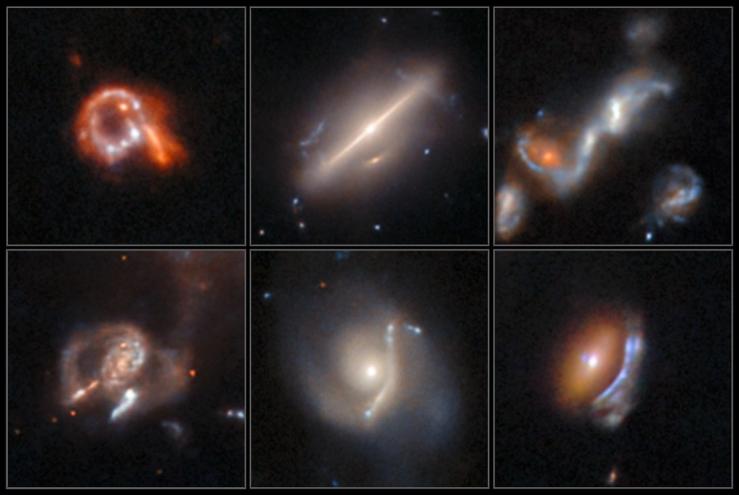
European astronomers are using AI to help explain mysterious images across NASA’s catalog of Hubble Space Telescope data, spanning 35 years. The team at the European Space Agency developed a neural network called AnomalyMatch, which analyzes patterns in images and detects unusual objects, according to NASA. They applied the tool across 100 million image cutouts, identifying 1,300 rare phenomena pictured — 800 of which had never been previously documented. The process took less than three days, significantly shorter than having humans do the same work.
Among these phenomena are discoveries around previously unknown and merging galaxies, including some that are jellyfish-shaped and several that researchers can’t fit into existing classifications. “It’s an example of the kinds of new and unusual finds that can be made by AI-assisted data processing, even from well-known datasets,” NASA wrote about the previously unknown galaxies.
NASA has faced budgetary pressure in recent years, with tight pursestrings meaning programs are getting clawed back or put on ice. The most recent funding agreement effectively killed one major project: NASA’s yearslong efforts to bring samples from Mars back to Earth. Tools like AnomalyMatch help NASA shepherd breakthroughs without having to spend significant financial or human resources.