




The News
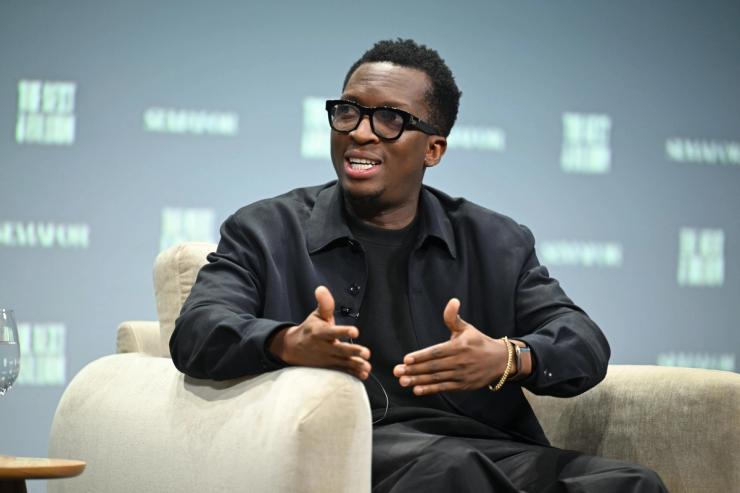
Nigerian payments processor Paystack is expanding into banking and consumer finance in a corporate shakeup as it bets on Africa’s entrepreneurs, its CEO told Semafor, five years after being acquired by US fintech giant Stripe.
Paystack marked its 10th anniversary with the launch of a new parent holding company, The Stack Group, which will operate a collection of brands, its CEO and Paystack co-founder Shola Akinlade said in an interview: Paystack for merchant payments, money transfer service Zap, a microfinance bank, and a research and development division.
The move reflects Paystack’s recent strategic shifts. It launched Zap, its first consumer-facing product, in March 2025, and this month acquired Ladder Microfinance Bank, which is now Paystack Microfinance Bank under the new structure.
Paystack is used by 300,000 merchants to process payments, Akinlade said, and the changes were prompted by customers wanting more services. “We’re betting on African entrepreneurs,” he said. “It’s hard to bet on African entrepreneurs and lose, if you provide the right tools, structure, and channels to help grow their businesses.”
Paystack first launched in Lagos in January 2016 as a payments processing firm that operated only in Nigeria, but after the Stripe $200 million acquisition, it has expanded into Côte d’Ivoire, Ghana, Kenya, and South Africa. The creation of TSG comes after Paystack turned profitable across all its markets for the first time last February, and had seven profitable months last year, Akinlade said.
In this article:

Know More
The overhaul follows Paystack’s firing of co-founder Ezra Olubi in November over allegations of inappropriate behavior. Olubi has threatened legal action, claiming he was fired before an investigation into the allegations was completed. Akinlade said Olubi would not have a stake in TSG but declined to comment further.
TSG has three founding shareholders: Stripe, Paystack’s 209 employees, and Akinlade himself, who said he was investing the group, though he refused to disclose the amount.
Agreements establishing TSG as the parent holding company were signed in October 2025, and are subject to regulatory approvals, the group said in a statement.

Alexis’s view
Akinlade and his team have, with this restructuring, created a stable of companies that offer a broad set of financial services. The entrepreneurs he repeatedly referred to when we spoke could, in theory, turn to different entities within the group for payment processing, money transfers to Nigerian banks, loans and, in the future, other services that will be dreamt up by TSG Labs, the R&D arm. It’s a bold vision. But it also sees the new holding company entering a crowded market with established players that have secured a vital headstart in developing a customer base — particularly in Nigeria, Paystack’s home turf and Africa’s biggest market.
TSG faces stiff competition on multiple fronts. Flutterwave offers payment processing across more African markets than Paystack and, in Nigeria, Interswitch is well established. In Nigerian consumer digital banking Moniepoint, OPay, and Kuda have all developed a loyal customer base in recent years. It will take time and a healthy dose of patience to build up this part of the group to compete effectively.
But the basic fundamentals are promising. Nigeria’s cashless transaction volumes have increased rapidly in the last few years, and there is no sign of this digital transformation slowing. Across the continent, the digital infrastructure needed to facilitate faster connections will only improve, handsets are becoming cheaper, and rapid population growth is increasing the number of new consumers. That, combined with Paystack’s integration with Stripe’s global network, means the group is well positioned to benefit from increased crossborder payments in the coming years.
One unknown is the extent to which this situation was forced by circumstances. The launch of Zap and the microfinance lender acquisition both point to a process that has unfurled over several months. But the timing, so soon after the controversial departure of Paystack’s co-founder, raises questions.

Room for Disagreement
Several challenges lie ahead, particularly where banking is concerned, according to Techmoonshot. “Running a deposit-taking institution requires significant capital reserves,” it warned in an article this month. “While Paystack has Stripe’s backing, the capital intensity of banking differs markedly from payments processing.”
The article concludes that the real test will be in the coming months when the bank “begins onboarding customers, deploying capital, and demonstrating whether a decade of payments expertise translates into banking excellence.”

Notable
- Paystack and Flutterwave are locked in a “quiet race” to “own Nigeria’s open banking rail,” wrote journalist Peter Oluka in Techeconomy.