




Yinka’s view
Job creation sits atop the agenda of priorities for African leaders. The Brookings Institution’s latest Foresight Africa report puts the issue front and center, reminding us that Africa will experience the fastest labor-force growth of any region in the decades ahead. The World Bank estimates a net increase of roughly 740 million working-age people by 2050, with about 12 million young Africans entering the workforce each year.
What is changing is not the scale of the challenge, but how it is framed. The debate is shifting from the sheer number of jobs required to the quality of work on offer. “Africa needs more jobs, but also better jobs — work that is productive, stable, safe, remunerative, and dignified,” writes Pierre Nguimkeu, head of Brookings’ Africa Growth Initiative.
That distinction matters. Meeting the moment requires workers with the right skills, better links to global markets, and policies grounded in economic reality. Informal employment still accounts for roughly 85% of Africa’s labor force. “A jobs strategy that ignores informality cannot reach scale, and one that focuses only on formalization without raising productivity will fail,” Nguimkeu argues.
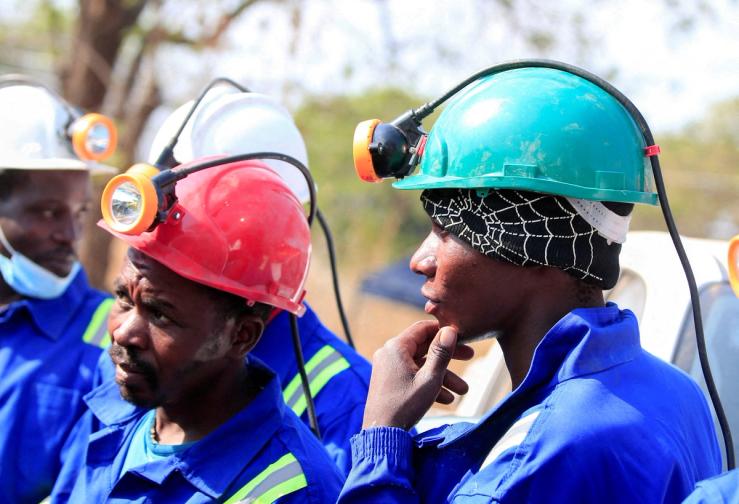
The report also provides context for some of the decade’s biggest employment bets. Mining has returned to the spotlight as African countries jockey to position themselves for the surging global demand for critical minerals. But mining has not been a major generator of quality employment.
The real opportunity, according to Andrew Dabalen, the World Bank’s chief economist for Africa, lies in what governments do with a more efficient collection of revenues — using them to finance skills, infrastructure, and industry corridors alongside the mining hubs that can deliver the employment required.

Notable
- Economic expansion isn’t keeping pace with population growth in Africa, Semafor’s Alexis Akwagyiram wrote in a column, which risks deepening inequality and escalating political unrest.