




Tim’s view
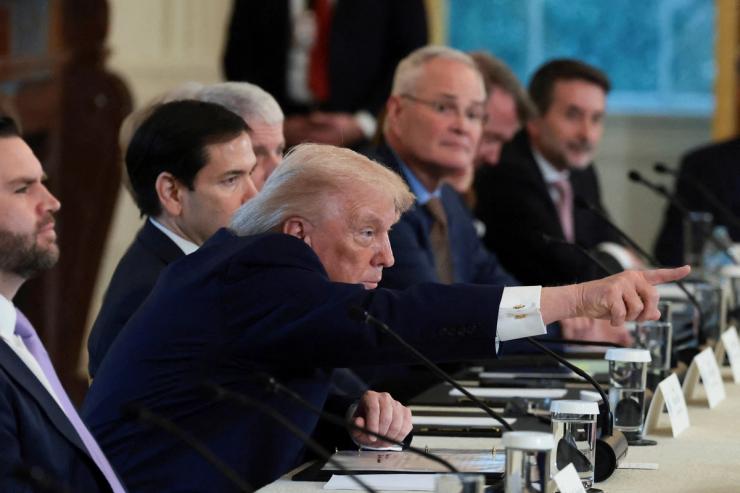
More winners and losers are emerging as the first phase of restarting Venezuela’s oil industry takes shape. The White House meeting last Friday between US President Donald Trump, top cabinet officials, and executives from most of the world’s top oil companies didn’t produce the kind of quick-win, headline-grabbing investment promises Trump is accustomed to extracting from tech moguls and other executives.
ExxonMobil CEO Darren Woods called Venezuela “uninvestable” for the time being, a comment which Trump later said left him “inclined to keep Exxon out.” Trump also told ConocoPhillips CEO Ryan Lance to essentially give up on trying to recover the $12 billion the company claims to be owed by Venezuela for the 2007 seizure of its assets. That message can’t have been very encouraging to the big European companies in the room — Eni and Repsol — which are also owed billions of dollars by Venezuela, and which produce much of the gas that is used by the Venezuelan electric grid; the country’s future economic stability depends on their ongoing investment. “The White House understands it needs to have a broad swath of Western companies,” former senior State Department energy official Geoff Pyatt told me. “That will require a certain amount of subtlety to the ‘America First’ approach.”
An important fact about Venezuelan oil to bear in mind is that it’s not a monolith: Different parts of the country have different types of natural resources that are more, or less, expensive to extract. So while the multibillion-dollar heavy lift Trump is asking for may not be forthcoming, there are very likely to be smaller fortunes made in the near term: Risk-tolerant Texas “wildcatters” are already lining up; service companies like SLB and Halliburton have also seen their share prices jump.
A final notable set of winners is consumers: Goldman Sachs lowered its forecast for oil prices in the next two years as a result of, among other factors, more drilling in the US and Venezuela.

Notable
- Exxon’s decision to speak out on the glaring problems of Venezuela’s oil industry was “a fresh reminder of the potential pitfalls for the leaders of any company — or country — when summoned to Trump’s White House for a meeting,” Bloomberg wrote.