


Most industries suffer ups and downs, but defense is usually an exception, and certainly has been in the Gulf. By one estimate, the Middle East accounted for more than a quarter of all global arms imports from 2020-24, with Qatar, Saudi Arabia, and the UAE leading the way. This year’s deals suggest that trend will continue, as regional instability shows no sign of easing.
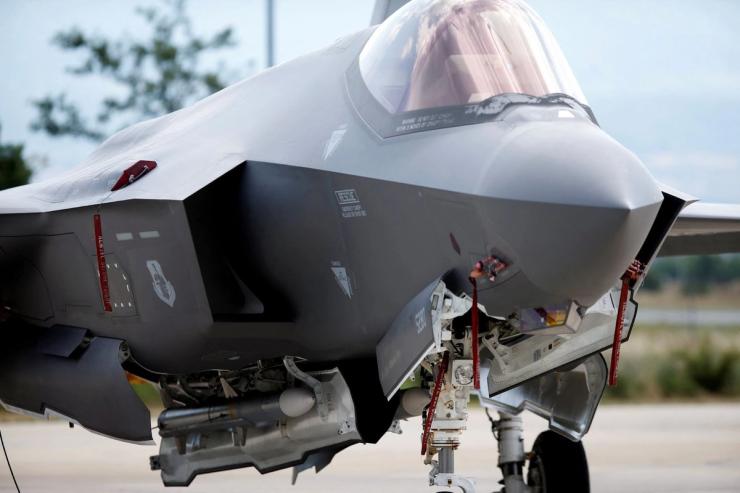
In May, the US unveiled $142 billion of arms sales to Saudi Arabia and more than $40 billion to Qatar, during US President Donald Trump’s regional tour. That was followed later in the year by a mutual defense pact with Qatar, a similar agreement with Saudi, and the promise to sell advanced F-35 jets to the kingdom.
The US is the Gulf’s most important defense partner, followed by European suppliers. China could become a more serious rival, particularly as it attaches fewer strings to its sales, which is one reason why Washington is trying to draw Gulf powers closer now. Gulf countries are also looking to expand their influence and connections, as seen with the Saudi-Pakistan mutual defense pact announced in September and the UAE’s deepening relationship with Israeli arms suppliers.