


Nearly five months after traffic through the Strait of Hormuz was first disrupted, the biggest impact hasn’t been on oil prices but on how countries think about energy security.
Crude prices have remained lower than many expected, thanks to large prewar inventories, the release of emergency reserves, Saudi and UAE pipeline diversions, and higher output from producers elsewhere in the world, according to Fatih Birol, executive director of the International Energy Agency.
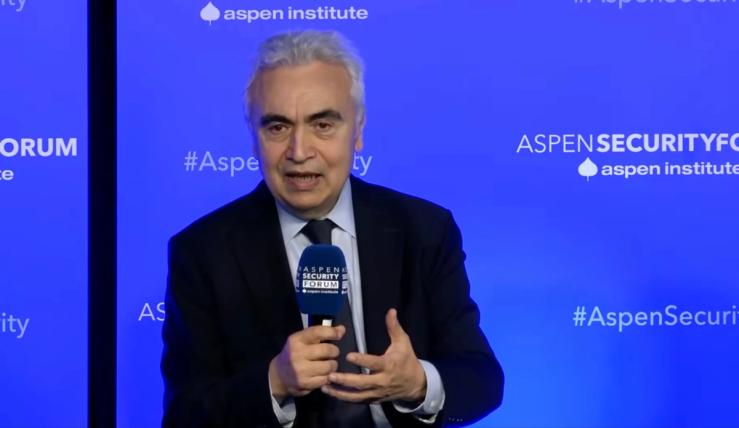
But those measures are temporary, he warned. With inventories falling and ships under fire in Hormuz, “it’s too optimistic to believe that the global economy is off the hook,” he told the Aspen Security Forum. Countries recognize that the “global energy map is being redrawn” and are prioritizing supplies from what they perceive to be more reliable producers, which “will increase the cost of energy in a low-trust world,” he said.
Another shift may be China’s role. Former US energy security official Meghan O’Sullivan noted that China’s 4 million-barrel-a-day reduction in demand since the war began helped cushion the supply shock. While there are questions about how long that can be sustained, it raises the prospect that Beijing could now be a “swing consumer,” with “geopolitical influence along the lines that Saudi Arabia has had in the past” as the market’s swing producer.