


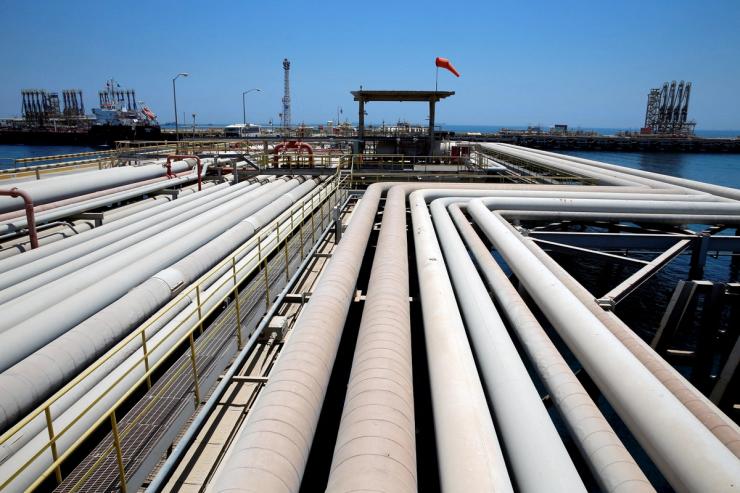
Saudi Arabia’s economy has held up to the stresses of the Iran war well thanks to a decades-old oil pipeline to the Red Sea and prudent fiscal policy, Tim Callen, former IMF mission chief to the kingdom, writes for Washington-based think tank Arab Gulf States Institute.
Aramco’s East-West pipeline and its investments in storage facilities around the world enabled it to take advantage of higher crude prices. The kingdom reported its first current account surplus in nearly two years in the first quarter of 2026, helped by higher oil revenues and a lower import bill as fewer goods reached the kingdom. The economy also benefited from being used as a transit hub, as well as a safe exit route in the early months of the war.
Large foreign inflows at the start of the year, low debt levels, and a government spending surge helped cushion the economy. Saudi policymakers are expected to pursue economic resilience, building new pipelines and better air, rail, sea, and road infrastructure, Callen wrote.