




The News
Sheikh Hamad bin Khalifa Al Thani, the former emir who transformed Qatar from a little-known Gulf state with declining resources into one of the world’s richest countries per capita, has died at the age of 74. The Amiri Diwan, the country’s royal court, announced his death on Sunday without giving a cause.
After seizing power from his father in a coup in 1995, Sheikh Hamad embarked on an ambitious national development program. His biggest bet was exploiting gas in the North Field, turning Qatar into the world’s leading exporter of liquefied natural gas. He used that wealth to drive domestic development and build what is now the $580 billion Qatar Investment Authority.
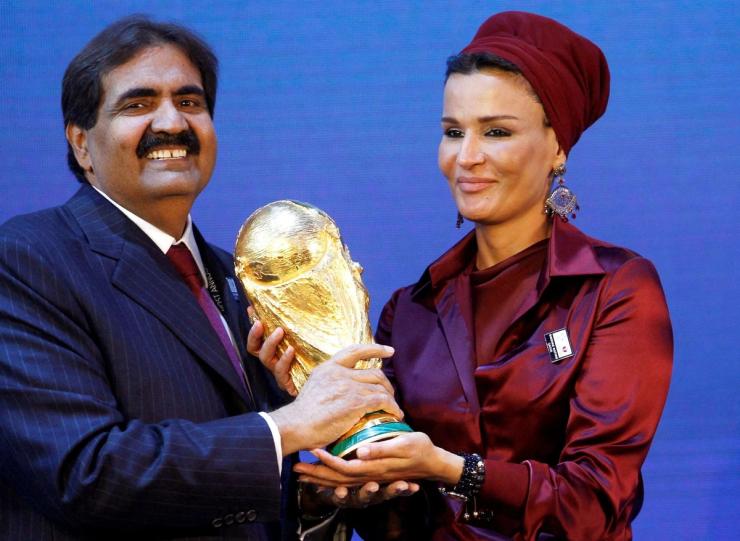
He also bankrolled media giant Al Jazeera and, together with one of his wives, lured top universities to establish campuses in Qatar while assembling one of the region’s most significant collections of modern and Islamic art. Under his rule, the country became a go-to mediator for regional conflicts and secured the rights to host the 2022 men’s soccer World Cup.
Sheikh Hamad was an iconoclast both in how he ruled and how he left power. In a region where leadership changes typically come through death or coups, he abdicated in favor of his 33-year-old son, the current emir Sheikh Tamim, in 2013, arguing that a new generation should shape the country’s future.
His death more than a decade later means there is no question over succession or government continuity, allowing the nation of around 300,000 citizens to mourn without uncertainty over who comes next.

Notable
- Watch Al Jazeera’s Mohammed Jamjoom look back on the life and legacy of Qatar’s father emir (with rare archival footage of Qatar).
- Sheikh Hamad opened “an inward-looking nation to outside influences, epitomized by Al Jazeera.” While the news network rankled allies in the region and, at times, Washington, it became the dominant news network in the Middle East. — AP
- Qatar’s “rising influence wasn’t always welcomed and helped forge deeper divides” in the Middle East. Sheikh Hamad’s support for Islamist movements set the stage for the diplomatic rupture with Bahrain, Egypt, Saudi Arabia, and the UAE that defined much of the first decade of his son’s reign. — Bloomberg
- One of his wives, Sheikha Moza bint Nasser, “fostered a public profile that was rare” in the Gulf, and “advanced a parallel agenda in education, research, and social development” that became a key pillar of Qatar’s modernization drive. — Reuters