


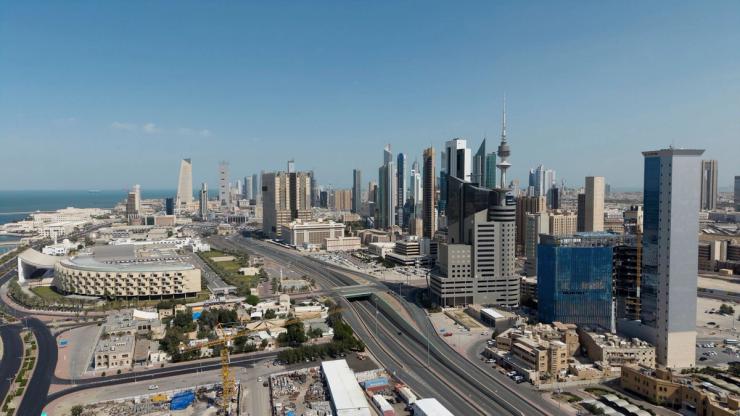
The Gulf’s race to the future has largely passed over Kuwait, as Abu Dhabi, Doha, and Riyadh pursued rapid transformation while Kuwait quietly built up its financial buffers.
There have been many critics — as Kuwait’s domestic politics can attest — but amid the Iran war, its sclerotic economic approach has had unexpected benefits. Kuwait suffered some of the deepest disruptions in the Gulf, losing oil exports and being forced to rely almost entirely on overland trade via Saudi Arabia, but its $1 trillion sovereign wealth fund is cushioning the blow.
S&P Global Ratings said Kuwait’s liquid assets should exceed 550% of GDP this year, helping preserve its credit standing even as its fiscal deficit is projected to widen to 15% of GDP. As The Wall Street Journal’s Stephen Kalin reports, authorities there have an “extreme aversion to risk” which is a legacy from the 1990 Iraq invasion and subsequent conflicts.
Persistent opposition in parliament to modernizing efforts has also contributed to the lack of investment activity, although the chamber is currently suspended, giving the government more space to act. Unlike its Gulf neighbors, aviation is only slowly returning, schools remain partly remote, and public-sector office attendance is capped at 50% — all signs that Kuwait doesn’t conflate ceasefires with peace.