




Mohammed’s view
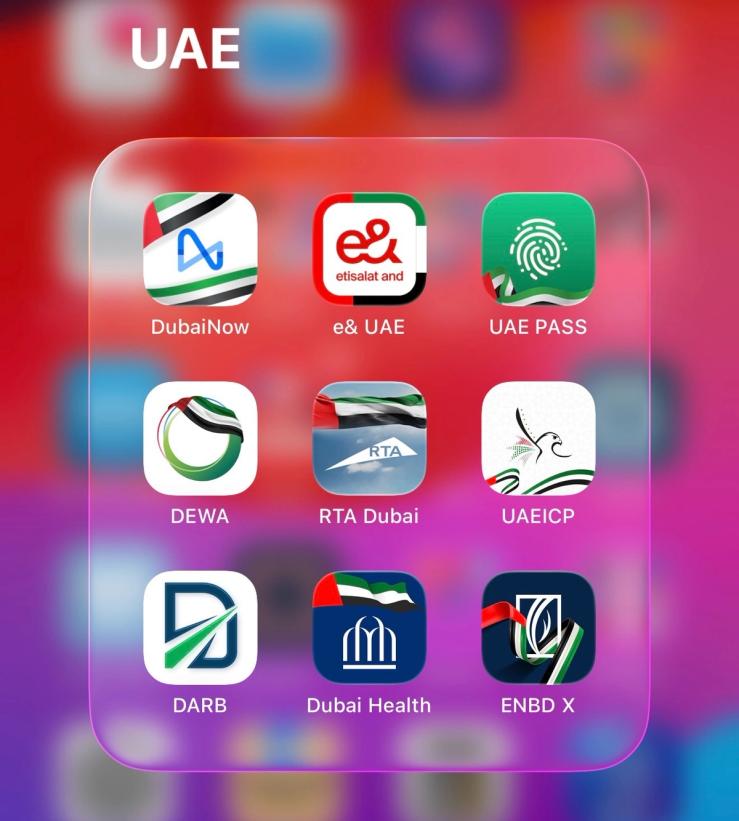
When a country comes under attack, rallying around the flag is instinctive. In this way, the UAE is no different: Even the apps here have been redesigned to reflect the mood, with fluttering standards overlaid on top of the usual logos.
Across the country — and much of the Gulf — there is a palpable sense of pride in how the armed forces blunted the damage from thousands of Iranian missile and drone strikes. That appreciation extends beyond citizens to the more than 20 million expatriates who call the region home. (I’m grateful too for my family and property being kept safe.)
Several Emiratis told me they were surprised by the solidarity coming from expats. Dubai Economic Development Corp. CEO Hadi Badri recently said the crisis was drawing communities together in new ways. This contrasts with the long-standing social divides between citizens and foreigners, and between wealthy professionals and the low-wage workers who keep Gulf economies running. An Abu Dhabi official told me this week that he is now regularly approached at gyms, restaurants, and mosques by expats expressing affection for the country — interactions he said were rare before the war.
The reality, though, is more complicated than the billboards declaring: “In the UAE, everyone is Emirati.”
Years ago, a Saudi royal court official reprimanded me for describing the kingdom as a land of conditional opportunity. But the concept still stands across the Gulf. People are welcomed to work, invest, and build lives here, as long as they remain economically useful and politically aligned. Lose your job and, unless you own property or qualify for long-term residency, it’s a quick exit from the Gulf.
There are reports that some Iranians who spent decades in the UAE had their residencies revoked while abroad, despite holding golden visas that only need to be renewed once a decade. Even those granted citizenship are not immune: Ahmed Shihab-Eldin, a Kuwaiti-American journalist detained in Kuwait over his reporting, was recently stripped of his citizenship along with his two sisters.
The Gulf isn’t unique in this. Anti-immigration politics are taking hold across the US and Europe too. While the communal feeling here is real, it has limits. But as long as opportunity exists, people will come — and generally accept the conditions attached to staying.

Notable
- Iran’s retaliatory attacks on the UAE after the US and Israel struck Tehran more than two months ago have put the UAE’s large Iranian expatriate community in “an uncomfortable position,” The New York Times wrote.