




Matthew’s view
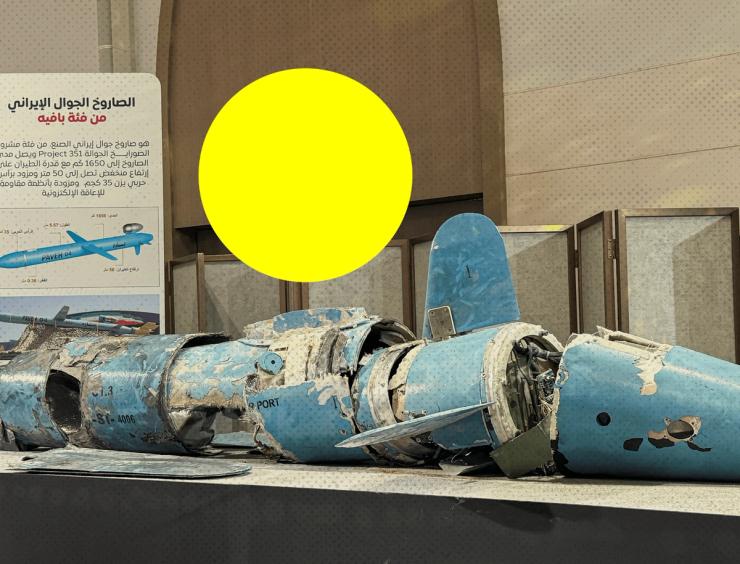
From the windows and balconies of glittering skyscrapers in Dubai or Doha, Gulf residents have witnessed the arcing path of ballistic missiles or heard the distinctive buzz of Shahed drones approaching, only for them to be spectacularly blown out of the sky — a front row seat for what hundreds of billions of dollars of defense spending buys.
It’s also shown what money can’t buy. Airports have been closed, office blocks and residential towers hit, and lives disrupted in myriad ways by air raid sirens and nights spent hiding in bathrooms or under stairs. No system is impregnable.
Saudi Arabia offers a case in point. In 2019, it put up little defense against attacks on its oil facilities that briefly knocked out half the country’s production capacity; this time, the vast majority of attacks have been intercepted. That has been true across the Gulf: Of about 7,000 drones and missiles fired by Iran against regional countries over the course of six weeks, around 85% have been intercepted.
That success rate represents a remarkable transformation, but it is built on a deep dependency on foreign arms purchases, maintenance contracts, and training agreements.
Saudi Arabia alone has spent $300 billion on defense in the past five years and is one of the 10 biggest military spenders in the world. The UAE and Qatar also plough significant sums into defense. Even Bahrain, the smallest Gulf economy, regularly puts the equivalent of more than 3% of GDP into its military.
Those figures are likely to ramp up further as Gulf states look to rebuild depleted stocks of interceptors and accelerate the development of local military industrial bases. The biggest beneficiaries of Gulf defense spending in recent years have been Western allies, principally the US. As the region looks to develop a broader web of alliances and security agreements, that could start to change.
In public, Gulf officials have said that the Iran conflict demonstrates the importance of close security ties to the US. Privately, the picture is more nuanced, with a growing emphasis on diversification.
Even before the US and Israel began bombing Iran, there were signs that Gulf states were starting to hedge their bets: Saudi Arabia signed a security pact with Pakistan, and has been in talks with Türkiye about bringing it into the agreement; Bahrain has a defense agreement with the US and UK that it wants other countries to join; the UAE signed a deal with India in January.
That shift may soon start to be reflected in military purchases too. Regional defense exhibitions have become arenas for competing global suppliers. At recent ones in Riyadh, a mix of Chinese, Pakistani, Russian, and Turkish firms sat alongside suppliers like Boeing, Lockheed Martin, and RTX.
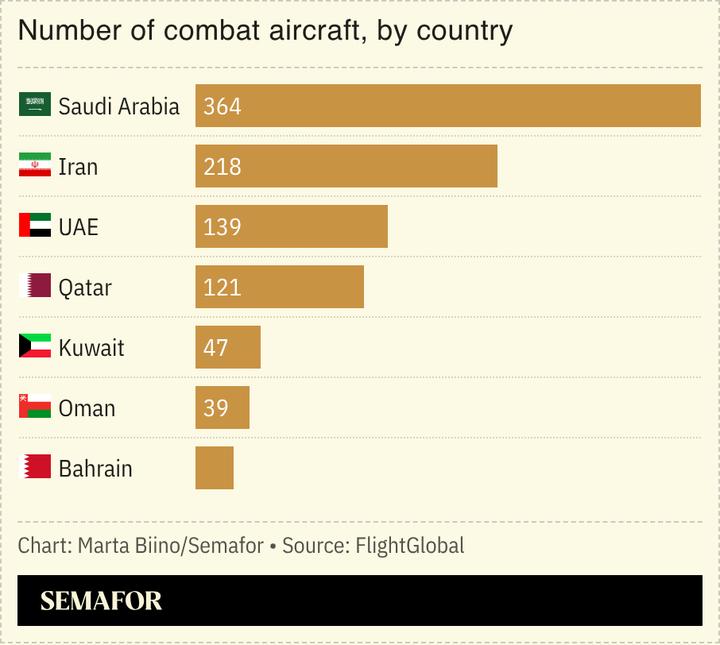
Qatar, Saudi Arabia, and the UAE each recently signed deals with Ukraine, hoping for access to battlefield tested technology for intercepting drones, to augment the more expensive US interceptors they have been using and which are expected to be in short supply for years. Ukrainian firms have also developed naval drones, which could be useful in helping to keep the Strait of Hormuz open in future.
The Gulf trio are also trying to expand production capacity in the region: All have established entities intended that mix sovereign funding with the private sector to build capabilities; one executive in Saudi Arabia working on defense localization told me he had already seen signs of pressure to accelerate progress. This drive could introduce new challenges for foreign firms in the region, in particular over how much knowledge-transfer they are willing to offer: Western companies have typically been reluctant to give away their intellectual property, especially in countries with close ties to China.
Ultimately, replacing the dominance of US defense equipment in the Gulf is unlikely, but expect the web of alliances and hardware purchases to become increasingly diverse.

Notable
- The Gulf has become a central arena of escalation in regional conflicts, that will push countries in the region to deeper air defense integration, argues Nafja Alkuwari at the Middle East Council on Global affairs.
- Gulf leaders are reassessing their relationship with the United States and its president, Donald Trump, as a result of the Iran war, write Neil Quilliam and Sanam Vakil in Foreign Policy.