


Into the second week of an expanding war with the US and Israel on one side and Iran on the other, Gulf states have been the collateral damage. But a common thread is emerging with Tehran: The region is not buckling under the pressure.
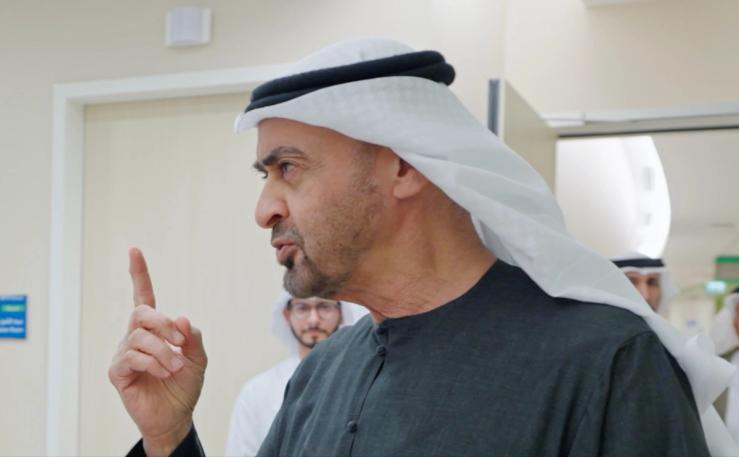
Despite refusing to allow the US to use their territory to strike Iran, and urging de-escalation and diplomacy, Gulf states have been under constant attack from Iranian missiles and drones. Yet air defenses are holding, and regional disputes are being swept away. UAE President Sheikh Mohamed bin Zayed Al Nahyan toured hospitals and met with citizens and residents over the weekend. In a brief interview, he warned “enemies of the UAE” not to be misled by the country’s peaceful appearance, which masked a much harder, Bedouin core: “The UAE has thick skin and bitter flesh — we are no easy prey.”
Iran, for its part, has also remained defiant. Its president promised to halt attacks on its neighbors — a pledge that was swiftly ignored by the country’s real power centers that named Mojtaba Khamenei, a son of the recently killed supreme leader, as his father’s successor. Little is known about the new leader, but a Bloomberg investigation in January revealed the cleric has around $140 million in luxury real estate and bank accounts in London and Switzerland, which suggests close links to the corruption network governing the Islamic Republic.