




Mohammed’s view
The UAE government is being uncharacteristically open about the war it has found itself in.
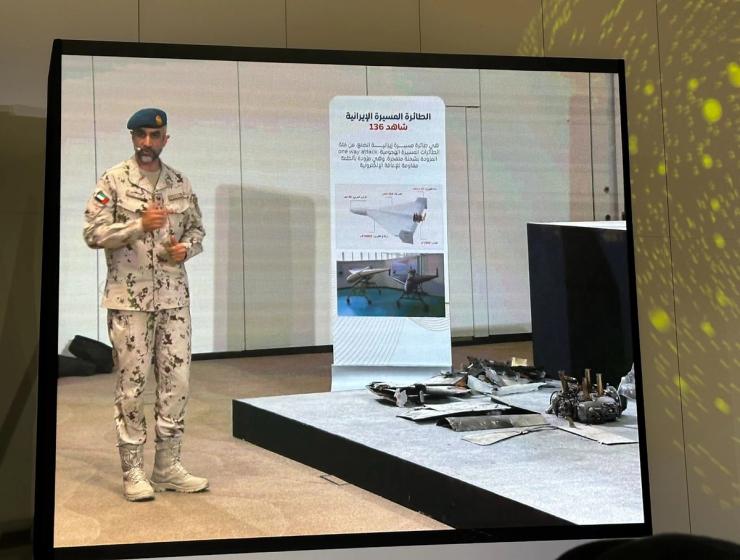
At a briefing in Abu Dhabi yesterday, generals and ministers outlined how the country is responding to the onslaught of more than 1,000 Iranian missiles and drones. While they didn’t take questions, some military officers lingered afterward, discussing the capabilities of the intercepted ballistic missiles and drones whose carcasses were on display.
In a region where governments reveal as little as possible even in peacetime, the level of disclosure so far has been striking. Narrative control is a driver: The UAE is packed with influencers who have bigger audiences than official channels — and dwarf that of your humble writer — and misinformation can spread faster than any statement on a government newswire.
But in the fog of war the stakes go beyond fake news. The UAE’s reputation as a haven in a volatile neighborhood has helped tourism flourish, contributing around 13% of GDP. Luxury real estate, family offices, AI data centers, and all the non-oil portions of the economy depend on effective government and security.
Air defenses have so far intercepted the vast majority of threats. If the UAE, and the wider Gulf, are able to hold — and if the war ultimately curbs Iran’s ability to launch missiles at its neighbors, as the latest US objective states — the entire region may emerge stronger.

Notable
- “There is definitely a narrative war unfolding online,” one analyst said, as AI-generated posts gain tens of millions of views on X, France24 wrote.