Saudi Aramco shuttered its Ras Tanura refinery on Monday, after the plant — the kingdom’s largest — came under attack from Iranian drones, while QatarEnergy halted LNG production. Both moves highlight the dangers the current conflict poses to the region’s economic lifeblood, and by extension the global economy.
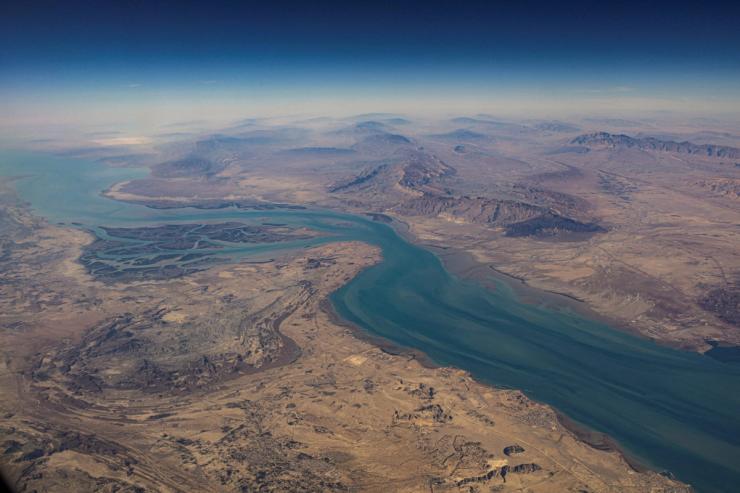
The main route for energy exports is also slowing, with a sharp drop in the number of ships passing through the Strait of Hormuz, the narrow waterway which carries around 20% of global oil and LNG flows. At least three tankers have been hit since the fighting began, with one crew member killed and several others injured. Seeking to avoid becoming targets or being caught in the crossfire, hundreds of tankers have dropped anchor — although Iran hasn’t yet tried to formally close the route, as it has threatened in the past.
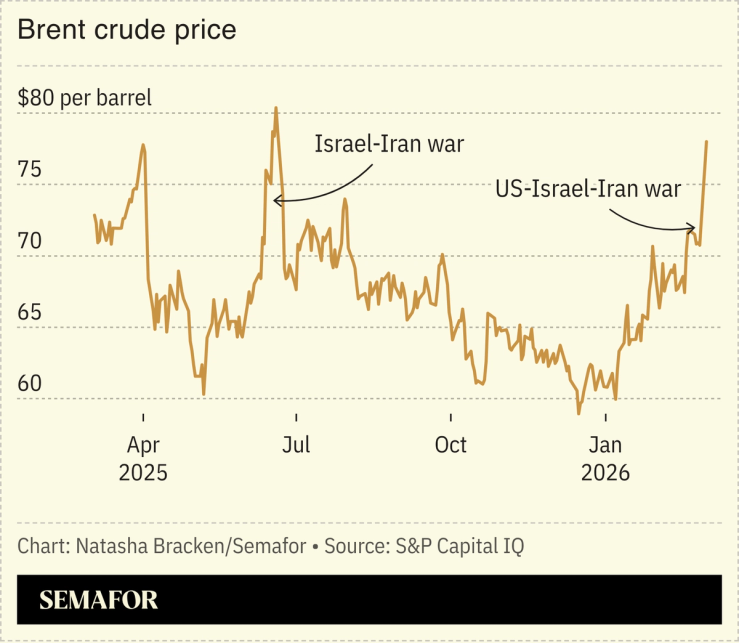
The risks of supply disruptions have caused oil prices to spike. Over the weekend, OPEC+ countries agreed to raise production, with Saudi Arabia and the UAE due to collectively add some 1.6 million barrels in April. For those targets to be meaningful though, they have to be able to get it to market.
Despite years of economic diversification efforts, energy still underpins the region’s economies; it could yet become even more important if the war spirals and the international investors and residents that are crucial to the non-oil sector are spooked into leaving.