


Saudi Arabia today replaced Investment Minister Khalid Al-Falih — one of the government’s longest-serving and most internationally well-known figures — with a senior executive from the kingdom’s sovereign wealth fund, part of a wider reshuffle as the kingdom scraps investment projects and steps up efforts to lure foreign cash.
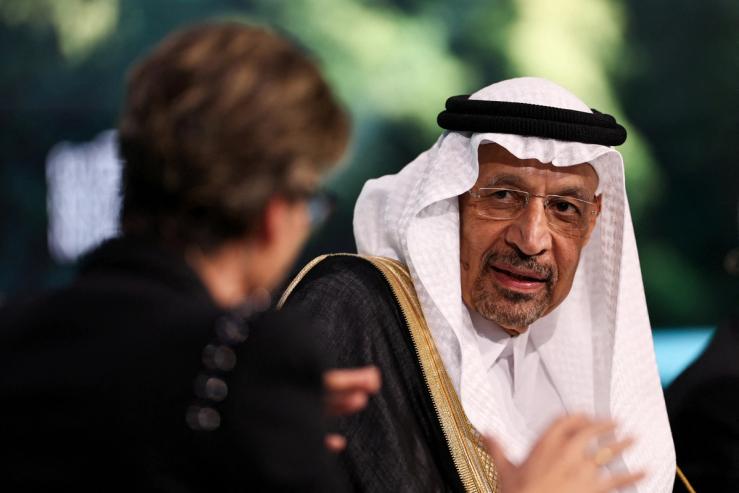
One of the more outspoken members of the Saudi government, Al-Falih had this week questioned the feasibility of some projects, like a 170-km (105-mile) mirrored skyscraper called The Line that is being scaled back. He was also not afraid to use a stick to bring investors into the country, telling foreign firms they would lose out on government contracts unless they put regional HQs in Riyadh. Al-Falih will retain ministerial rank, making it unclear if he’s being pushed aside or given other responsibilities.
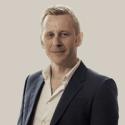
Al-Falih’s replacement is Fahad Al-Saif, a highly experienced banker who is respected in the global finance community. Al-Saif essentially built the kingdom’s borrowing capabilities and has traveled the world to drum up interest in Saudi Arabia’s first bond sales.
For the past few years, he has played a similar role at the Public Investment Fund, coordinating the $1-trillion fund’s borrowing and that of its subsidiaries as they looked to raise more cash externally. The move is also likely the latest sign in the PIF’s pivot from global deal making to becoming a vehicle for attracting foreign investment.
His next task may prove harder. Getting bond investors to buy highly rated Saudi debt is much easier than bringing in the kind of long-term foreign direct investment the kingdom needs. Al-Falih set out a target of getting $100 billion a year of foreign investment by 2030, but got less than halfway there.
His successor now inherits that goal.
Getting there will require more work on making Saudi Arabia a country where people want to invest, rather than one where they feel they have to.