




The News
Saudi Arabia asserted its dominance in Yemen’s south and, in the process, exposed sharp differences with the UAE. The swift changes over the past month — during which UAE-backed separatists gained control of large swaths of the country before quickly losing that territory — appear to have been settled, for now. The UAE-backed Southern Transitional Council reportedly dissolved itself after talks in Riyadh this week, during which some members may have been held incommunicado. Its leader fled by boat and then plane, apparently to Abu Dhabi, according to Saudi officials.
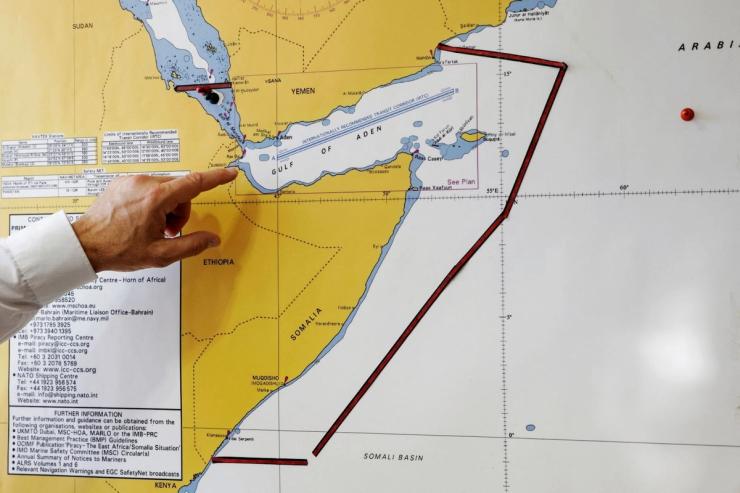
The developments in Yemen, which remains divided between a Saudi-led coalition and the Iran-backed Houthis, carry regional and global implications. The country sits alongside a major shipping chokepoint between Asia and Europe, and its island of Socotra — beyond its appeal as a tourist destination — hosts military assets and is a node for communications cables. Directly across the Gulf of Aden lies Somaliland, another secessionist region where the UAE has built up its influence. Countries that can maintain military bases on either side have strategic influence over security and trade.
The competition over Yemen and the Horn of Africa is intensifying a previously quiet rift between Abu Dhabi and Riyadh that could complicate US-led efforts on Gaza and Iran, and alter how global businesses operate in both countries.

Know More
The rift over Yemen is increasingly visible online, in a worsening war of words. Neither Saudi nor the UAE has a free press, and both enforce strict laws governing social media posts that are deemed to threaten national security or defame their rulers. But just like the Qatar embargo almost a decade ago, those rules seem to slacken when officials make direct accusations against fellow Gulf Cooperation Council members. Most of the vitriol has been aimed at the UAE, with Emiratis largely exercising restraint — and, unlike the Qatar episode, both are avoiding personal attacks on rulers (or their mothers).
One Middle East expert warned the divisions could portend a “regional transformation.” But an investor with close ties to Abu Dhabi noted that escalatory steps haven’t yet been taken, such as withdrawal of ambassadors, and urged all sides to “relax.”