


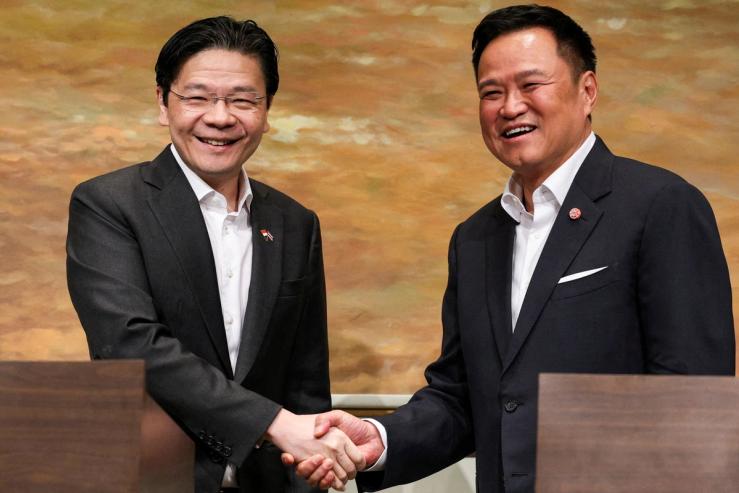
Singapore increased its prime minister’s salary to $2.8 million, part of its longstanding strategy to boost talent and reduce corruption. For comparison, the UK’s premier earns $230,000 and the US president $400,000. Singapore’s first prime minister argued in 1955 that low pay meant top candidates rarely joined politics and faced temptation when they did.
The city state has a carrot-and-stick model: Politicians’ pay is pegged to the country’s top 1,000 earners, but corruption is reliably punished. Whether the strategy reduces graft is a live debate — Singapore is third-lowest of 182 countries on one index, but Hong Kong, with much lower pay, also scores well. The policy does, however, seem to make it easier to attract qualified candidates.